

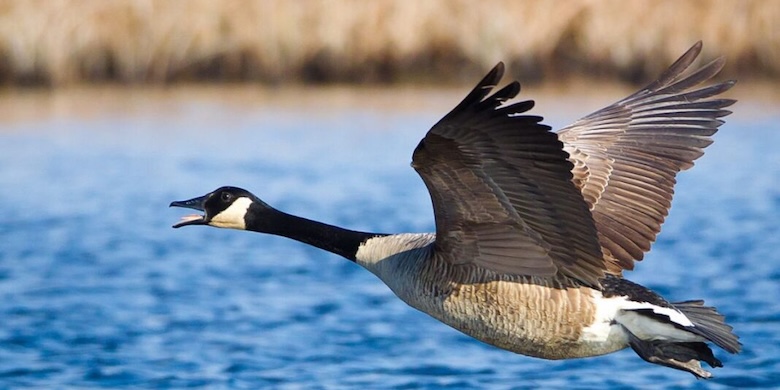
The Camden County Department of Health and Human Services is currently monitoring the spread of bird flu throughout New Jersey. Currently, no birds in Camden County have tested positive for bird flu and the risk to the public remains low. Between February 14 and February 16, 2026, more than 1,100 dead or sick wild birds were reported to the New Jersey Department of Environmental Protection (NJDEP). Most reports involved Canadian geese, with a smaller number involving other species.
Within this timeframe, Gloucester Township reported approximately 10–20 dead geese. At this time, NJDEP is unlikely to conduct additional avian flu testing in areas where the virus has already been detected. In March 2025, levels of avian influenza were detected in our local wastewater.
The current public health risk to residents remains low, but state and local agencies continue to monitor the situation closely. To date, no human or domestic animal cases of H5N1 have been reported in Camden County. Bird flu, also known as Highly Pathogenic Avian Influenza (HPAI) or H5N1, is a strain of influenza that primarily affects birds but can also infect humans and other animals including domestic animals, farmed animals, livestock, and zoo animals. This virus has the potential to cause severe illness in humans, and it has been responsible for past outbreaks in both birds and humans. While human-to-human transmission is rare, it can occur with close, prolonged contact with an infected person.
To lower the risk of contracting bird flu, the Department of Health and Human Services recommends the following:
- Avoid Contact with Sick or Dead Birds
Do not touch sick or dead animals or their droppings and do not bring wild animals into your home. - Practice Good Hygiene
Wash your hands thoroughly with soap and water after potential exposure to birds or their droppings. If soap and water are unavailable, use hand sanitizer. - Cook Poultry Thoroughly
Ensure chicken, turkey, and eggs are cooked to an internal temperature of at least 165°F (75°C) to kill any potential viruses. - Keep Pets Away from Wild Birds
Prevent pets, particularly dogs and cats, from coming into contact with wild birds, as they could be exposed to the virus. - Monitor for Symptoms
If you experience flu-like symptoms and have had close contact with birds, seek medical advice promptly.